

Thesis:
Christian Libertarianism encourages individual liberty under God’s sovereignty, calling for a society where personal freedom, moral responsibility, and biblical truth guide every aspect of life. Science, art, and education are crucial fields in shaping culture and society, and it is our responsibility as believers to infuse these areas with God’s truth, evangelizing and influencing the unbeliever while equipping this generation for the future.
Introduction:
In today’s world, science, art, and education are the pillars upon which much of our culture is built. These areas define how we understand the world, express ourselves, and shape our intellectual and moral development. Christian Libertarianism advocates for the freedom of individuals to pursue knowledge and creativity within the framework of God’s law, emphasizing personal responsibility and the pursuit of truth. The fields of science, art, and education provide unique opportunities for believers to evangelize, reach the unbeliever, and influence future generations.
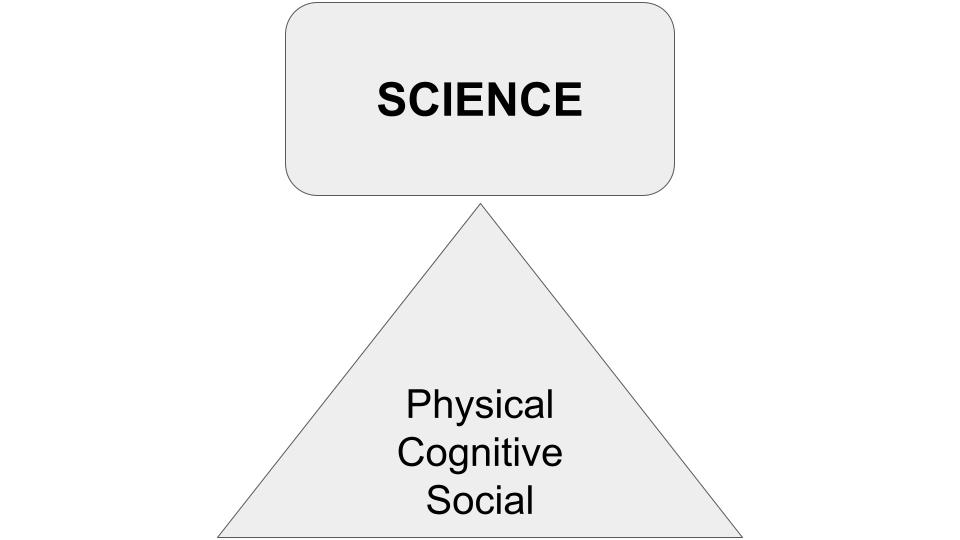
The Six Branches of Physical Science:
The study of the natural world through science aligns with the biblical call to explore creation. Genesis 1:28 invites us to “subdue the earth” and “have dominion over” it, encouraging scientific discovery as a way of understanding God’s design.

The six primary branches of physical science—Physics, Chemistry, Astronomy, Geology, Meteorology, and Oceanography—allow us to marvel at the intricacies of God’s creation. When studied with reverence for God’s creative power, science becomes a powerful tool for evangelism, demonstrating to the unbeliever the precision and order embedded in the universe by a divine Creator.
The Six Branches of Cognitive Science:
Cognitive science explores the mind and its processes, areas God specifically addresses throughout Scripture. Romans 12:2 says, “Be transformed by the renewing of your mind,” encouraging intellectual growth that aligns with God’s truth.
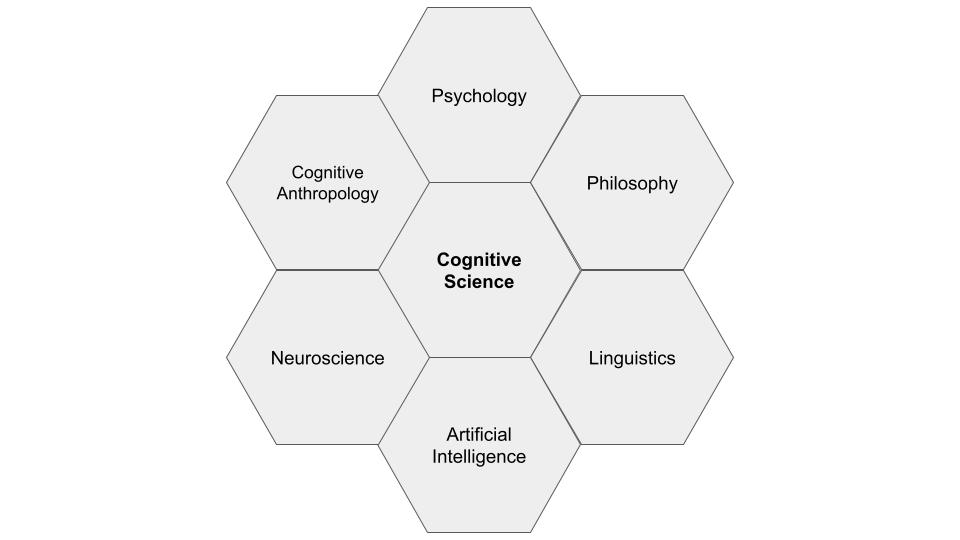
The branches of Psychology, Neuroscience, Artificial Intelligence, Linguistics, Philosophy of Mind, and Cognitive Anthropology provide insight into human behavior and cognition. By engaging these fields through a Christian worldview, believers can bring clarity and truth to discussions about consciousness, human purpose, and morality.
The Six Branches of Social Science:
Social science studies how human societies function. Proverbs 11:14 reminds us, “Where there is no guidance, a people falls, but in an abundance of counselors, there is safety.” As Christians, understanding how societies operate helps us influence culture for the better.

The branches of Sociology, Cultural Anthropology, Political Science, Economics, History, and Demographic Geography examine how human communities function, interact, and evolve. Christian Libertarians can use this knowledge to encourage systems of governance and economic policies that promote justice, liberty, and individual responsibility, as outlined in Scripture (Micah 6:8).
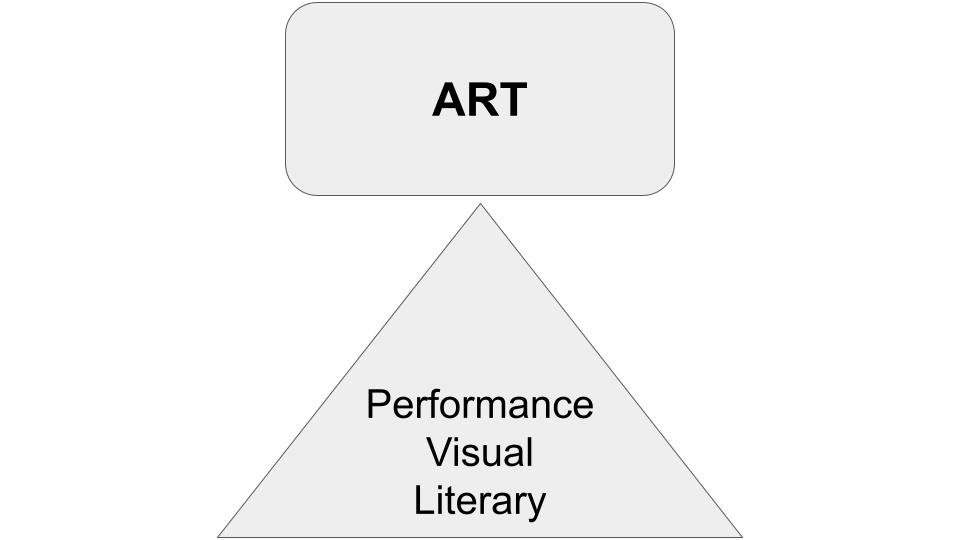
The Six Branches of Performance Art:
Art, as an expression of the human spirit, has the potential to reflect God’s beauty and truth. Exodus 35:31-32 highlights how God filled Bezalel “with the Spirit of God, with wisdom, with understanding, with knowledge, and with all kinds of skills to make artistic designs.”

The branches of Theater, Dance, Music, Opera, Circus Arts, and Performance Art (Conceptual) offer believers platforms for creative evangelism. Through performance, we can share the Gospel in ways that resonate emotionally, reaching unbelievers and strengthening the faith of believers through meaningful storytelling and artistic expression.
The Six Branches of Visual Art:
Visual art can be a profound way to reflect the Creator’s handiwork. Psalm 19:1 declares, “The heavens declare the glory of God; the skies proclaim the work of his hands.”

The six branches—Painting, Sculpture, Drawing, Printmaking, Photography, and Ceramics—allow us to capture beauty and meaning in ways that inspire others to seek the divine. Visual art, when aligned with biblical values, can become a beacon of truth and light in a culture that often distorts or devalues beauty and morality.
The Six Branches of Literary Art:
Literature is a powerful medium for conveying truth, wisdom, and storytelling. Proverbs 16:24 notes, “Gracious words are a honeycomb, sweet to the soul and healing to the bones.”

Poetry, Fiction, Drama, Non-fiction, Essay, and Prose are the main branches of literary art, and each offers unique ways to explore human experience, moral truths, and the Christian faith. By engaging in literary pursuits, Christians can provide content that both edifies and evangelizes, reaching hearts through the written word.

Education’s Role: Faith, Religion, and Politics:
Education is a tool to guide the next generation, and its influence spans across Faith, Religion, and Politics—three vital areas that shape society. Deuteronomy 6:7 instructs us to teach God’s commandments diligently to our children. Christian Libertarianism champions the role of education in developing morally responsible, critically thinking individuals who live according to biblical principles while respecting the freedom of others.

- Faith focuses on theological understanding, spirituality, ethics, and the study of scripture, shaping an individual’s personal relationship with God.
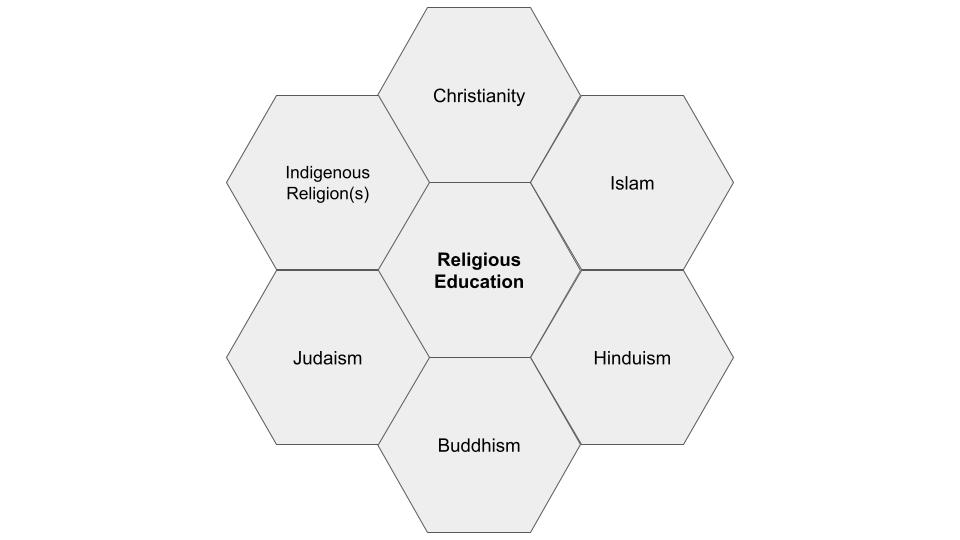
- Religion spans the study of world religions, fostering respect for diversity while promoting the truth of Christ as the ultimate answer.
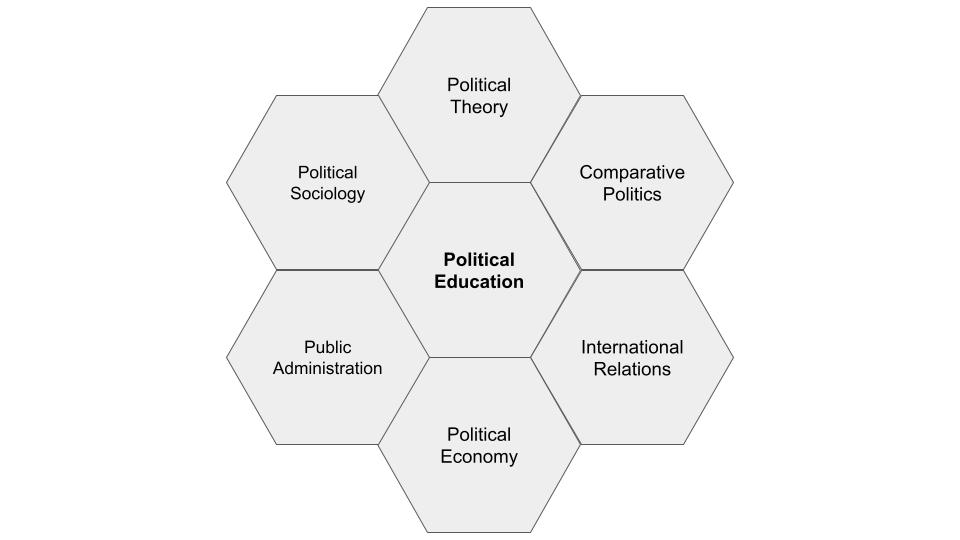
- Politics encompasses the study of governance and societal structures. By educating people in this field, we encourage liberty, justice, and stewardship that align with biblical values, fulfilling the call to “seek the welfare of the city” (Jeremiah 29:7).
Conclusion:
Science, art, and education offer unparalleled opportunities for Christians to influence culture and reach the unbeliever. As Christian Libertarians, we must embrace personal responsibility to engage these areas within the framework of biblical truth, ensuring our work in these fields reflects God’s glory. By studying creation, expressing creativity, and educating future generations, we can advance the Gospel, evangelize to the lost, and equip this generation for the challenges ahead. In everything we do, let us “speak the truth in love” (Ephesians 4:15) and fulfill Christ’s Great Commission to make disciples of all nations (Matthew 28:19).
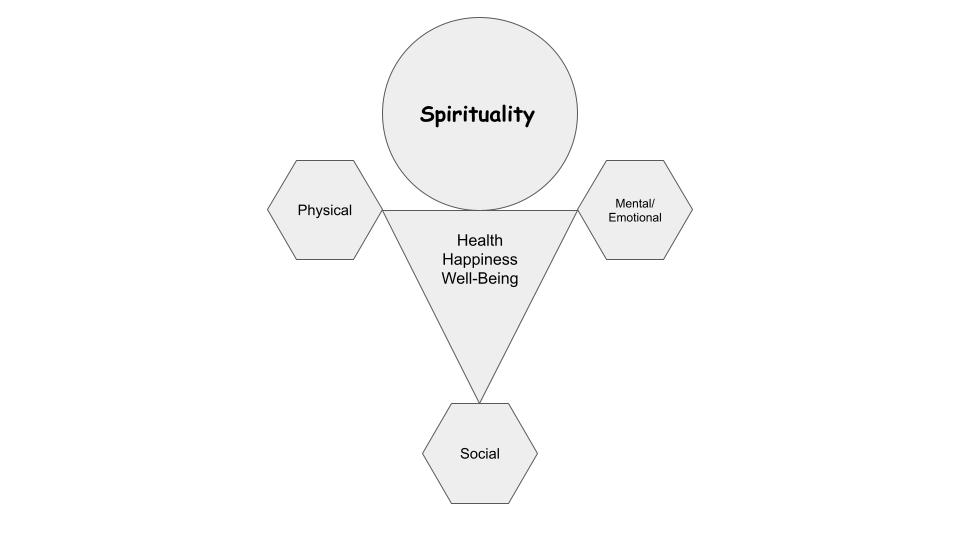
Spirituality is the balance of physical health/well-being, mental/emotional health/well-being, and social health/well-being is one’s life. Every facet of reality exists in a constant tug of war between the push, pull, and balance within each fleeting moment. Being aware of this through the lens of Christ Jesus in pursuit of righteousness through salvation is the single best way to live a happy, healthy, balanced life.
As Always, God Bless,
James Arthur Ferguson
Tags:
#ChristianLibertarianism #Evangelism #FaithAndScience #ArtAndFaith #Education #BiblicalTruth #ReachTheUnbeliever #GospelThroughArt #PersonalResponsibility #CallToAction
 FergusonPoetryProject LLC
Leave a comment